
Field Notes
Fresh stats from AAFPRS. Plus, the "plastic surgery deserts" of the US.

The 2025 statistics survey from the American Academy of Facial Plastic and Reconstructive Surgery (AAFPRS) just dropped, illuminating current tastes and prevailing trends.
Here, the highlights…
AAFPRS members reported an estimated 19% uptick in treatments overall, with noninvasive options, like toxins and fillers, accounting for 80% of all procedures.
In the surgical realm, rhinoplasty, facelifts, and blepharoplasty still rank most popular among men and women.
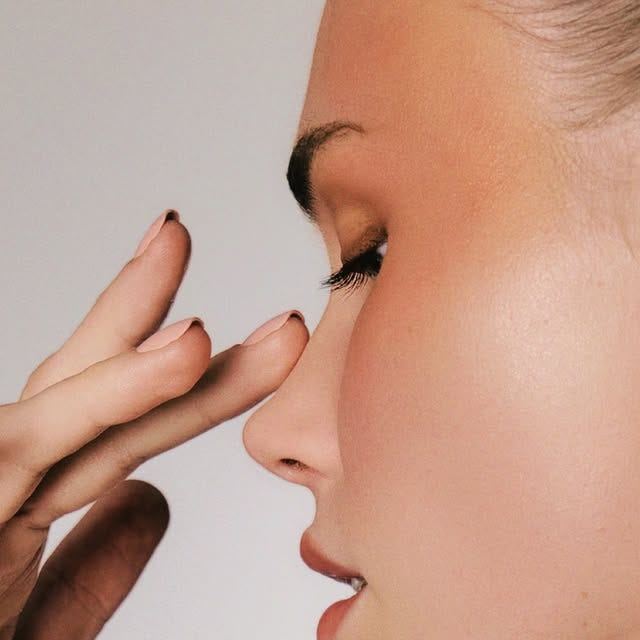
Many aesthetic treatments have developed an androgynous appeal, as the line between classically “his” and “hers” procedures is blurring.
“Hair transplantation remains the only procedure where men still significantly outnumber women,” notes the academy—but even that gap is shrinking. In 2025, only 33% of surgeons described hair transplants as a “mostly male” procedure compared to 50% in 2019.
Hair restoration surgery is on the rise: Facial plastic surgeons performed about twice as many hair transplant operations in 2025 versus 2024.
Driven largely by GLP-1 weight loss, facial fat grafting is up 50% for the second year in a row. I recently wrote about fat transfer—best practices, fat survival rates, nanofat perks, and why some surgeons don’t offer it as a standalone—so read this if you’re considering the procedure.
Our reasons for pursuing plastic surgery are evolving, with more women citing changes related to menopause. (Here, doctors discuss how menopause hormone therapy might affect facelift results.) “Looking less tired” is the main motivation for eyelid procedures. And wanting to maintain a competitive edge at work is compelling career-focused patients to seek interventions.
The majority of facial rejuvenation surgeries—facelifts, blephs, brow lifts—are being had, quite appropriately, by the 56-plus crowd (many of whom are, no doubt, menopausal). This finding aligns with what I’ve been hearing from leading facelift surgeons for the past couple of years.
Patients’ qualms about plastic surgery most often stem not from the expense, downtime, or anesthesia involved, but from a fear of looking overdone and unnatural. For safe, undetectable results, make sure your plastic surgeon is legit before plunking down a deposit.

Next up: A new Aesthetic Surgery Journal (ASJ) study just crossed my desk, revealing certain “plastic surgery deserts,” where there’s a serious supply-and-demand problem—a robust appetite for cosmetic procedures yet a shortage of qualified surgeons to satisfy it.
In the study, chief plastic surgery resident Scott R. Levin, MD, and his fellow researchers in the division of plastic and reconstructive surgery at the University of California Davis Medical Center, pinpoint these deserts and their implications.
“We quantified a mismatch between public desire for aesthetic surgery and the workforce available to provide it,” the authors state. “Board-certified surgeons remain concentrated in luxury coastal markets, but the areas with the highest deficits of surgeons and most rapidly increasing demand are found in the American interior.
“Louisiana, Mississippi, and parts of the Mountain West represent a ‘hidden’ market where consumer demand is unmet due to limited surgical access. Of particular concern are the ‘plastic surgery deserts’—the 8.1% of DMAs [designated market areas] with zero board-certified plastic surgeons … primarily located in the West, South, and Midwest. This maldistribution creates a public health vulnerability; patients in [such] areas may face barriers that force them to travel great distances to obtain care, or more perilously, to obtain aesthetic procedures from non board-certified providers of the types that fill that void locally.”

Interestingly, notes Dr. Levin, Sacramento, California, has the highest unmet demand for plastic surgery in the country. (Ripe for the taking, residents and fellows!) Have any of you experienced these plastic surgery deserts firsthand? Let us know in the comments.
Thanks for being here. Always appreciate your likes, feedback, and shares. xx